
TTM Test
Flat Dilatometer Test (DMT)
Flat Dilatometer Test (DMT)
DMT is used for in-situ evaluation of soil stress state, deformation and compressibility behaviour. A flat blade is pushed to the target depth and membrane pressure readings are obtained at regular intervals.
What can DMT support?
- Soil stratigraphy and variability
- In-situ horizontal stress assessment
- Deformation and compressibility interpretation
- Settlement-related engineering evaluation
- Ground-improvement comparison
Suitable ground conditions
DMT is widely applied in clay, silt and sand. Very coarse gravel, cobbles, boulders or extremely hard layers can limit penetration and should be considered during investigation planning.
DMT and CPT
CPT and DMT are both static-push methods but measure different soil responses. Used together, they provide complementary information on stratigraphy, stress and deformation behaviour.
CPT (Cone Penetration Test)
Cone Penetration Testing (CPT) is a high-resolution in-situ geotechnical test in which an instrumented cone is pushed into the ground at a controlled rate while penetration resistance is recorded continuously.

Seismic CPT (SCPT) – Seismic Cone Penetration Test
Seismic CPT (SCPT) combines CPT/CPTu penetration measurements with seismic wave-velocity data to characterize both static and dynamic ground response.
Flat Dilatometer Test (DMT)
Flat Dilatometer Testing (DMT) is an in-situ test used to assess stress and deformation behaviour by expanding a flexible membrane mounted on a flat blade pushed into the soil.
Seismic Dilatometer Test (SDMT)
Seismic Dilatometer Testing (SDMT) combines DMT membrane measurements with shear-wave velocity (Vs) data to assess static and dynamic soil behaviour in one investigation.
Standard Penetration Test (SPT)
The Standard Penetration Test (SPT) is a borehole-based dynamic in-situ test used to obtain penetration resistance and representative samples at selected depths.
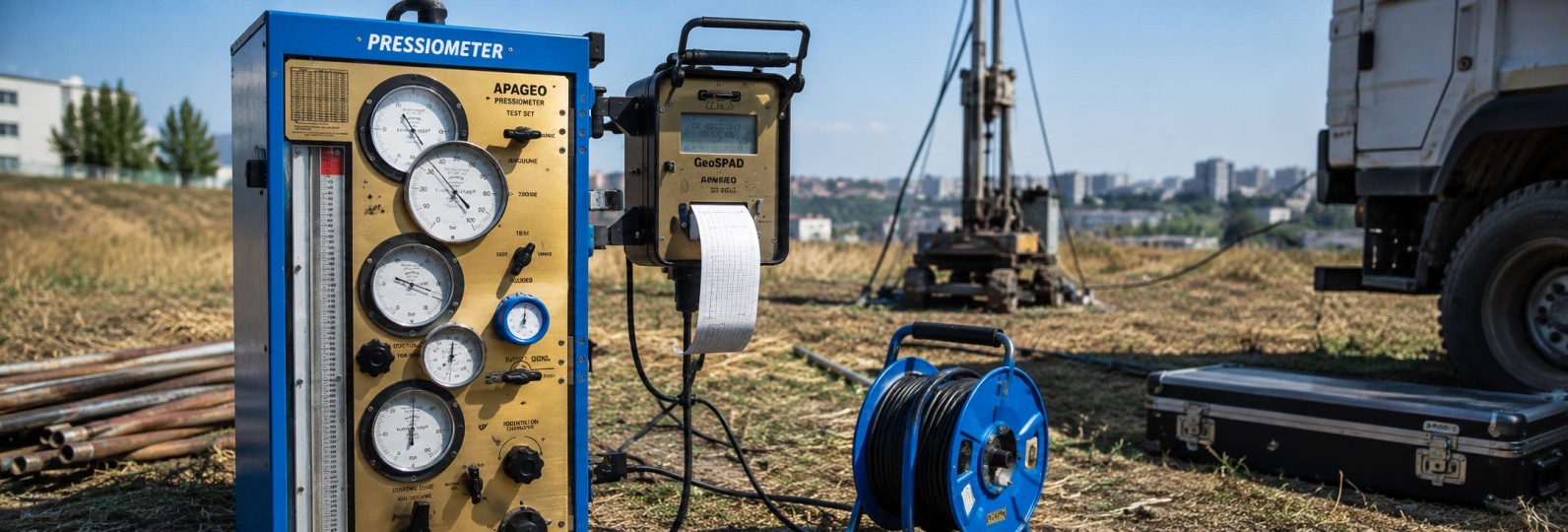
Pressuremeter Test
Pressuremeter testing evaluates the pressure-deformation response of the ground in a borehole and supports assessment of in-situ stiffness and strength behaviour.
In-Situ Permeability Tests
In-situ permeability testing evaluates the hydraulic behaviour of soil or rock and supports seepage, drainage and groundwater-related engineering decisions.
Why TTM TEST?
Why TTM TEST?
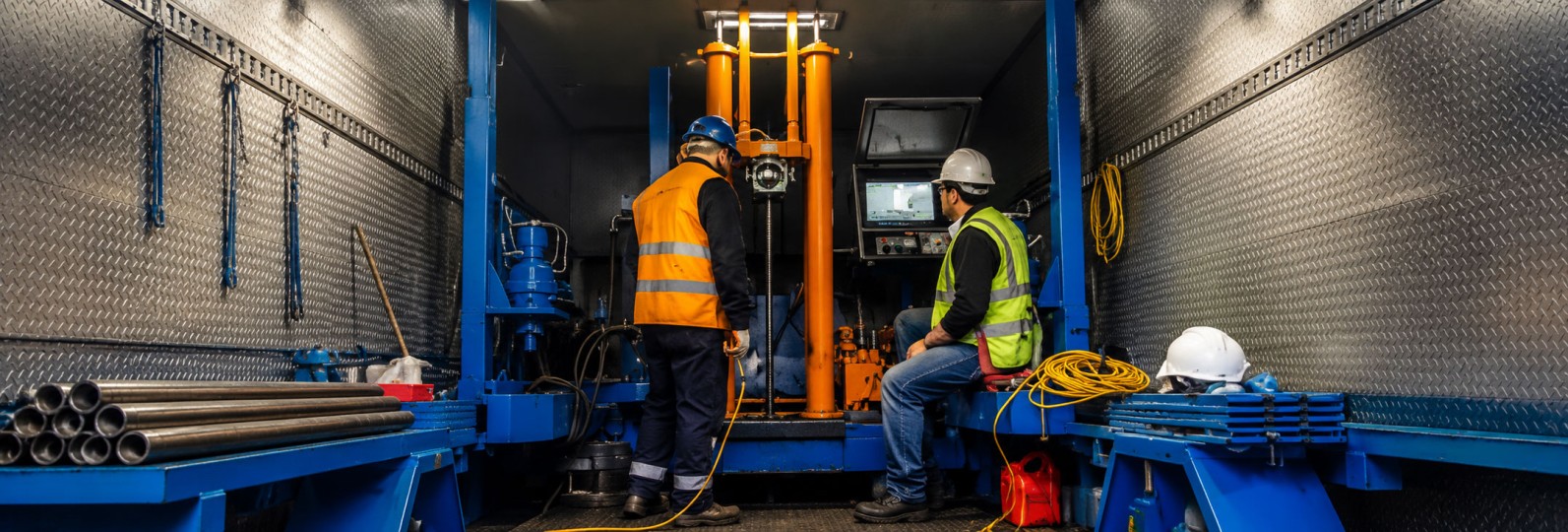
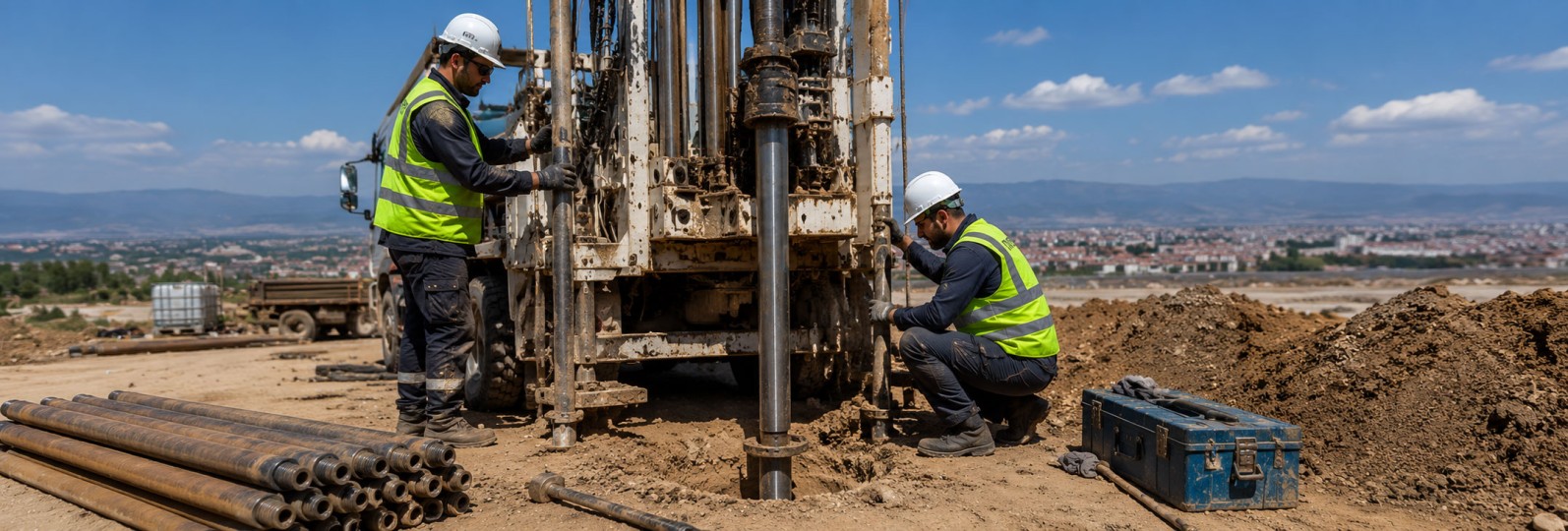
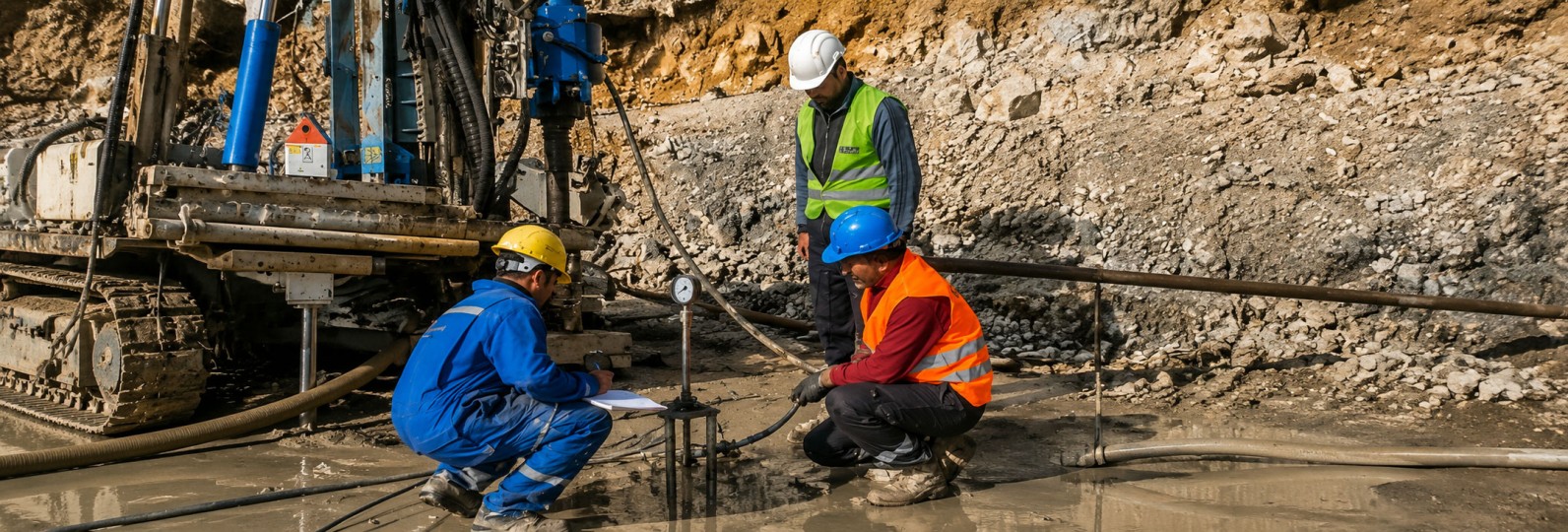
Since 1994, TTM TEST has supported projects with geotechnical drilling, in-situ testing, CPT/SCPT/DMT/SDMT, geophysics, instrumentation, laboratory testing and engineering services. Experienced technical teams, modern equipment and disciplined reporting provide reliable data for engineering decisions.
Selected geotechnical investigation, drilling, in-situ testing and engineering projects delivered by TTM TEST.
TTM TEST supports projects with integrated site investigation, geotechnical drilling, in-situ testing, laboratory and engineering services.
Frequently Asked Questions
CPT is an in-situ geotechnical test in which an instrumented cone is pushed into the ground at a controlled rate while cone resistance and sleeve friction are recorded continuously. CPTu also measures pore-water pressure.
CPT is widely used in clay, silt and sand, particularly soft fine-grained and loose granular soils. Gravel, cobbles, boulders or very hard layers may restrict penetration and should be considered during planning.
Standard CPT measures cone tip resistance and sleeve friction. CPTu adds pore-water pressure measurement, providing additional information for interpreting saturated fine-grained soils and layer transitions.
SCPT combines CPT/CPTu penetration measurements with seismic measurements so that soil stratigraphy and shear-wave velocity (Vs) can be evaluated within the same investigation programme.
SCPT can provide cone resistance, sleeve friction, pore-pressure data where CPTu is used, and a depth-dependent shear-wave velocity (Vs) profile.
DMT is an in-situ test in which a flexible membrane on a flat blade is expanded under controlled pressure to assess soil stress and deformation behaviour.
SDMT combines conventional DMT measurements with seismic Vs measurements, allowing static deformation/stress indicators and dynamic soil properties to be evaluated in the same profile.
Yes. CPT is commonly carried out on land and can also be performed in marine or coastal environments when suitable platforms, reaction systems, access and equipment are provided.
No. SPT is a dynamic test performed in a borehole at discrete intervals, while CPT is a static push test that provides continuous profiling. The methods may be used together depending on project objectives.
Project location, required test type, approximate number and target depth of tests, available ground information, site access, working level and reporting requirements help define an efficient field programme and quotation.
Professional Engineering Solutions for Your Project
- Experienced Technical Team
- Prompt Project Review
- Nationwide Field Capability
- Reliable Testing and Reporting